Ongoing support and optimization are crucial aspects of any business process automation (BPA) initiative. They ensure that the implemented automation solutions continue to operate efficiently, deliver desired outcomes, and evolve in line with changing business needs and technological advancements.
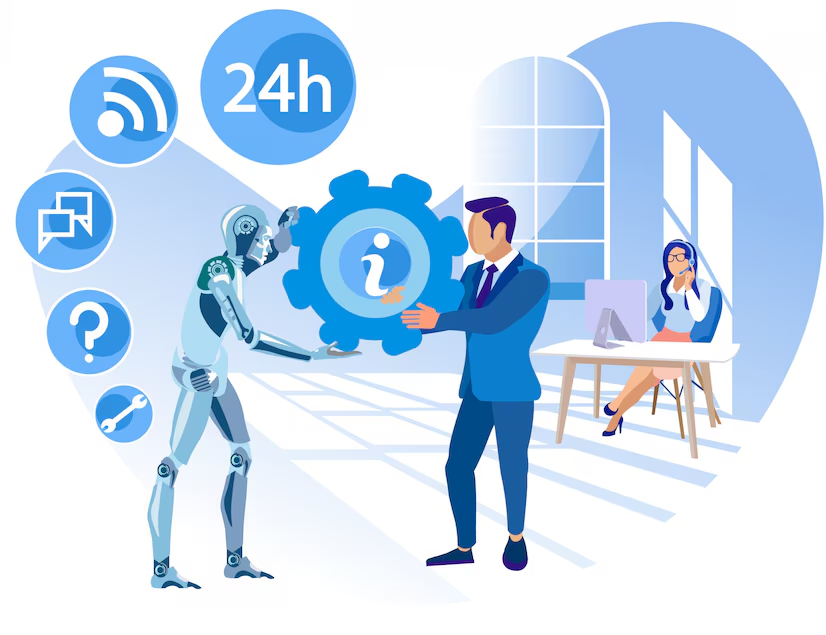
Here’s a detailed explanation of ongoing support and optimization in the context of BPA:
- Continuous Monitoring: Ongoing support involves the continuous monitoring of automated processes to identify any issues, anomalies, or performance bottlenecks. Monitoring tools and dashboards are utilized to track key metrics, such as process completion times, error rates, and resource utilization, enabling proactive detection and resolution of potential issues before they impact operations.
- Proactive Maintenance: Regular maintenance and updates are essential to keep automation systems running smoothly. This includes applying software patches, upgrading components, and optimizing configurations to ensure compatibility with evolving software versions and technological standards. Proactive maintenance helps prevent system downtime, security vulnerabilities, and performance degradation, preserving the integrity and reliability of automated processes.
- User Support and Training: Ongoing user support is provided to address any questions, concerns, or technical issues encountered by users while interacting with automation systems. A dedicated support team is available to offer assistance, troubleshooting guidance, and training to users at all levels of the organization. Regular training sessions and knowledge-sharing initiatives help users stay informed about new features, best practices, and optimization strategies, empowering them to leverage automation effectively in their daily workflows.
- Optimization and Continuous Improvement: Optimization involves refining and fine-tuning automated processes to maximize efficiency, performance, and return on investment. This may include identifying optimization opportunities through process analysis, data-driven insights, and feedback from stakeholders. Optimization efforts aim to streamline workflows, reduce process cycle times, eliminate redundancies, and enhance overall process effectiveness. Continuous improvement is ingrained in the culture of ongoing support, fostering a mindset of innovation, experimentation, and learning to drive sustained business value from automation initiatives.
- Adaptation to Business Changes: As business requirements, market conditions, and regulatory environments evolve, automation solutions must adapt accordingly to remain relevant and effective. Ongoing support includes assessing the impact of changes on existing automation systems, updating workflows and configurations as needed, and ensuring seamless integration with new technologies, systems, and processes. By staying agile and responsive to changing business dynamics, organizations can future-proof their automation investments and maintain a competitive edge in the market.
In summary, ongoing support and optimization are integral components of successful business process automation initiatives. They involve continuous monitoring, proactive maintenance, user support and training, optimization efforts, and adaptation to changing business needs. By investing in ongoing support and optimization, organizations can ensure the long-term success, sustainability, and scalability of their automation initiatives, driving continuous improvement, innovation, and value creation across the enterprise.